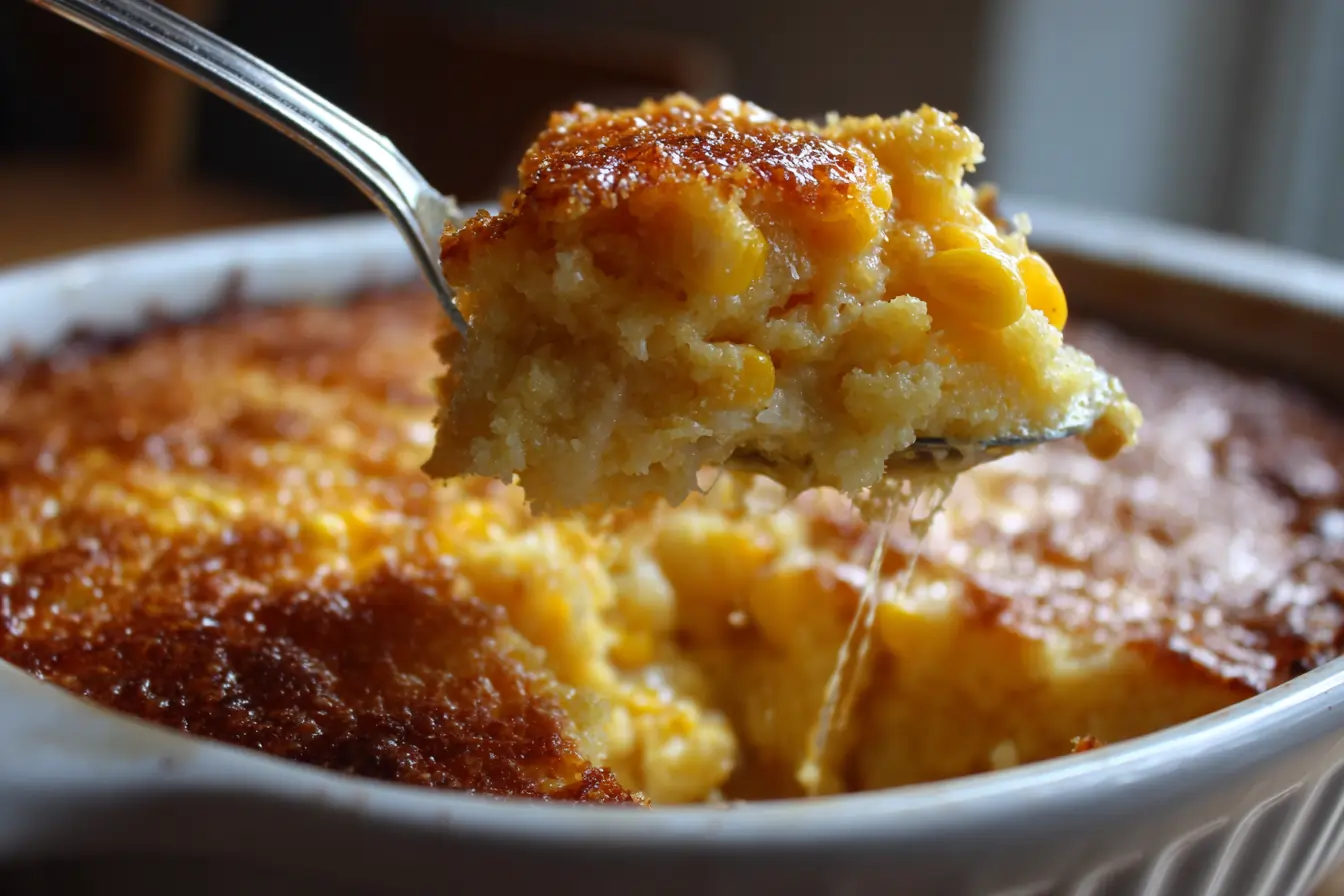
Foolproof Vegan Corn Casserole: Never Dry & Perfectly Creamy
For many home cooks, the pursuit of the perfect vegan corn casserole has been a journey fraught with peril. We've all been there: staring into the oven, hoping for a miracle, only to pull out a dish that's either crumbly and dry, or disappointingly soupy. It's supposed to be comfort food, a warm hug on a plate, but often it feels more like a culinary gamble. If you've ever felt that frustration, wondering if a truly creamy, perfectly set, and never-dry vegan corn casserole was just a myth, prepare to have your faith restored. This comprehensive guide will equip you with all the knowledge to conquer this classic dish and earn it a permanent, foolproof spot in your recipe collection.
What Makes Vegan Corn Casserole So Tricky (and Worth It)?
At its heart, vegan corn casserole is a beloved side dish, a delectable blend of sweet corn kernels, rich flavors, and a comforting, soft texture. Traditionally, recipes for corn casserole (or corn pudding, or spoon bread) rely heavily on dairy products like milk, butter, and cheese, along with eggs, to provide structure, moisture, and that signature creamy mouthfeel. Eggs act as a binder, helping the dish set and hold its shape, while dairy contributes fat and liquid for richness and preventing dryness.
When you remove these core animal-based ingredients, the game changes. The challenge isn't about flavor—vegan alternatives for taste are readily available—but rather about structure and moisture balance. Without eggs to bind and dairy fats to lubricate, a vegan corn casserole can quickly become a delicate balancing act. Too little liquid or fat, and you end up with a dry, crumbly mess. Too much, and it becomes an unset, watery pudding. It's precisely this structural tightrope that makes finding a truly reliable vegan corn casserole recipe so valuable.
Despite the challenges, mastering a vegan corn casserole is incredibly rewarding. It’s a dish that brings warmth and nostalgia, perfect for holiday gatherings, potlucks, or a cozy weeknight meal. The sweet burst of corn, combined with a rich, savory base, is universally appealing, and once you crack the code, it's a dish you'll turn to again and again.
Navigating the Texture Spectrum: Your Guide to Vegan Corn Casserole Perfection
One of the biggest reasons vegan corn casserole recipes yield inconsistent results is that they often skip a crucial preliminary step: deciding on your desired texture. Before you even measure your first ingredient, ask yourself: How do you want your finished corn casserole to feel?
Understanding the texture spectrum is key to achieving consistent results. A good vegan corn casserole typically falls somewhere between the intensely creamy, spoonable consistency of a corn pudding and the firmer, sliceable structure of a cornbread casserole. Here are the three main texture options and how to achieve them:
1. Creamy & Custard-Like (Pudding-Style)
- Texture: Very soft, almost melts on the plate, easily spooned. Rich, luxurious, and deeply comforting.
- Best For: Those who adore classic corn pudding. It's a fantastic side dish that can almost be considered a savory dessert.
- How to Achieve: This style requires a higher liquid-to-solid ratio and plenty of fat. Ingredients like full-fat plant milk (such as canned coconut milk for extra richness), vegan cream cheese, and a minimal amount of binder are key. Avoid too much flour or cornstarch, as this will firm it up too much.
2. Spoonable Hybrid (Most Popular)
- Texture: Soft but sufficiently set. It holds its shape when scooped but remains wonderfully creamy and tender inside, often with a slightly golden crust on top.
- Best For: This is the crowd-pleasing, versatile vegan corn casserole. Ideal for holidays, potlucks, and family dinners where you want something comforting but easily portioned.
- How to Achieve: This texture strikes a careful balance of liquid, fat, and binder. You'll use plant milk (soy, almond, or oat milk work well), a good amount of vegan butter or cream cheese, and a moderate amount of a gentle binder like all-purpose flour or cornstarch. This is the sweet spot for many. If you want to dive deeper into perfecting this middle-ground texture, check out our guide on Master Vegan Corn Casserole Texture: Creamy or Sliceable?
3. Cornbread-Style (Sliceable)
- Texture: Firmer, more structured, allowing it to be cut into neat squares or wedges. Less creamy than the other two, leaning more towards a very moist cornbread.
- Best For: When you need a dish that holds up well, perhaps for a buffet or when you want a more substantial side.
- How to Achieve: To get this firmer consistency, increase the amount of dry ingredients like flour or cornmeal. A flax or chia "egg" can also be added for extra binding power. While still moist, the goal here is structure over extreme creaminess.
The Secret to Success: Mastering Moisture Balance
More than any other factor, moisture balance is the single most critical element in making or breaking your vegan corn casserole. Once you get this right, the rest of the recipe falls into place, becoming predictable and consistently delicious. Without eggs and dairy, we must carefully manage the interplay of liquid, fat, and binders to achieve our desired texture.
The Right Amount of Liquid
Liquid, primarily in the form of plant milk, is essential for keeping your casserole moist and contributing to its overall consistency.
- Plant Milk Choices: Opt for unsweetened varieties. Full-fat canned coconut milk will yield the richest, most decadent casserole, especially for a pudding-style texture. Soy milk or oat milk are excellent all-around choices for their creaminess without being overly fatty. Almond milk works but is generally thinner, so you might need to adjust other binders.
- Creamed Corn: Many recipes call for canned creamed corn, which provides both liquid and a starchy element. If using, be mindful of its existing moisture and adjust other liquids accordingly.
- Vegan Sour Cream or Cream Cheese: A dollop of either can add a tangy richness and boost moisture and fat without making the casserole overly wet.
Enough Fat to Stay Moist
Fat is crucial for a tender, moist crumb and a luxurious mouthfeel. Without sufficient fat, your casserole will inevitably turn dry and crumbly, regardless of how much liquid you add.
- Vegan Butter: A staple in most vegan corn casserole recipes, vegan butter adds richness and helps create that desirable golden crust.
- Vegan Cream Cheese: A fantastic secret weapon! It provides both fat and a subtle tang, enhancing the creaminess and helping the casserole set beautifully.
- Full-Fat Plant Milk: As mentioned, full-fat plant milks contribute significantly to the fat content and overall richness.
A Gentle Binder to Help It Set
Binders are what give the casserole its structure and prevent it from becoming a liquid mess. The trick is to use just enough to achieve the desired firmness without making it dense or rubbery.
- All-Purpose Flour or Cornstarch: These are common binders. Flour provides more structure, ideal for sliceable casseroles. Cornstarch creates a softer, silkier set, better for pudding-like textures.
- Aquafaba (Chickpea Brine): Whipped aquafaba can add a surprising lightness and bind without adding density.
- Ground Flaxseed or Chia Seeds (Flax/Chia Egg): For firmer, more structured casseroles, a flax or chia "egg" (1 tbsp ground seeds mixed with 3 tbsp water, let sit for 5 minutes) can provide additional binding.
- Silken Tofu: Blended silken tofu adds protein and can act as a fantastic binder while also boosting creaminess, making it an excellent choice for a hybrid or pudding-style casserole.
From Scratch to Spectacular: Crafting Your Perfect Vegan Corn Casserole
While many traditional corn casserole recipes rely on pre-packaged mixes like Jiffy corn muffin mix, making your vegan corn casserole from scratch offers unparalleled control over ingredients, flavor, and, most importantly, texture. Skipping the box allows you to tailor the sweetness, richness, and density precisely to your preference, ensuring a truly spectacular result every time. For a deeper dive into this, see our article on Easy Vegan Corn Casserole for Holidays (No Jiffy Mix!).
Essential Ingredients for a Creamy Vegan Corn Casserole:
- Corn: You can use fresh, frozen, or canned. If using canned, be sure to drain it well unless the recipe specifically calls for the liquid (e.g., in a very creamy, pudding-style version). Frozen corn should be thawed and drained.
- Plant Milk: As discussed, choose based on desired richness. Soy, oat, or full-fat canned coconut milk are popular choices.
- Vegan Butter: Melted vegan butter adds essential fat and flavor.
- Vegan Cream Cheese or Sour Cream: For an extra layer of tang and creaminess.
- Binding Agent: All-purpose flour or cornstarch, depending on your desired texture. A small amount of baking powder will also help with a slight lift.
- Sweetener & Seasoning: A touch of maple syrup or sugar enhances the corn's natural sweetness. Salt is crucial for balancing flavors. Black pepper, garlic powder, or onion powder can be added for a savory depth.
- Optional Flavor Boosters: Nutritional yeast for a cheesy umami, chopped fresh chives for a mild oniony freshness, a pinch of smoked paprika for warmth, or finely diced jalapeños for a subtle kick.
Foolproof Baking Tips:
- Don't Overmix: Mix your wet and dry ingredients just until combined. Overmixing can develop gluten in the flour, leading to a tougher texture.
- Right Baking Dish Size: Using the correct size baking dish is important for even cooking and achieving the desired thickness. A standard 8x8 or 9x9 inch square dish is common for a modest batch.
- Oven Temperature: Most casseroles bake well at 350-375°F (175-190°C). Don't rush it with higher heat, as this can dry out the edges before the center is cooked.
- Prevent Dryness with Foil: If the top starts to brown too quickly, loosely cover the casserole with aluminum foil for the remainder of the baking time. This traps moisture and ensures even cooking.
- Don't Overbake: This is arguably the biggest culprit behind dry casserole. Bake only until the edges are set and lightly golden, and a toothpick inserted into the center comes out mostly clean (a little moist crumb is okay for creamier versions). The casserole will continue to set as it cools.
- Resting Time is Key: Just like with a cake or roast, allow your vegan corn casserole to rest for at least 10-15 minutes after removing it from the oven. This allows the internal structure to fully set and the moisture to redistribute, resulting in a perfectly creamy, well-structured dish.
Conclusion
The quest for a foolproof, never-dry, and perfectly creamy vegan corn casserole is not just achievable—it's within your reach. By understanding the unique challenges of vegan baking, particularly the crucial balance of moisture, fat, and binders, you can transform this once-tricky dish into a consistently stellar creation. Remember to choose your desired texture first, respect the power of plant-based ingredients, and follow our baking tips for success. No more culinary gambles; just pure, unadulterated comfort in every creamy, dreamy scoop. Get ready to impress your family and friends with a vegan corn casserole that truly earns its spot at the center of your table.
