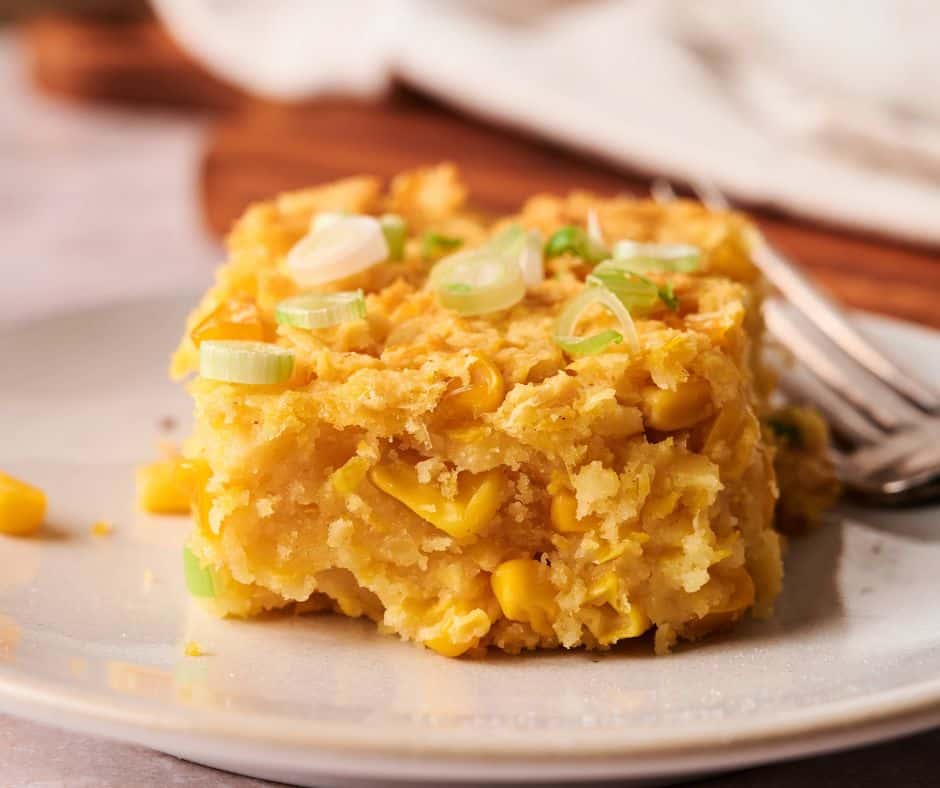
Master Vegan Corn Casserole Texture: Creamy or Sliceable?
Ah, vegan corn casserole. For many home cooks, this beloved dish represents the ultimate comfort food, a warm embrace on a plate. Yet, for just as many, it's been the source of culinary frustration. You've been there: standing over a cooling casserole dish, hoping for that perfect scoop, only to find it too dry, too watery, or inexplicably both. The journey to a truly satisfying
vegan corn casserole often feels like a gamble, a stark contrast to the comforting experience it's meant to deliver. But what if we told you the secret to consistently perfect results lies not just in the recipe, but in understanding and *choosing* your desired texture before you even preheat the oven?
This comprehensive guide will demystify the art of the
vegan corn casserole, focusing on the critical element of texture. Whether you dream of a lusciously creamy, spoonable delight or a firm, sliceable square that holds its own, we'll equip you with the knowledge to achieve your ideal outcome every single time.
The Elusive Perfect Vegan Corn Casserole: A Culinary Quest
For those who adore cooking, few things are as vexing as a dish that consistently defies expectations.
Vegan corn casserole has often been that recipe for many, myself included. Early attempts often resulted in a texture that was either disappointingly crumbly and dry, or oddly soupy and unset. It can feel like a culinary tightrope walk, especially when traditional versions lean heavily on eggs and dairy for their structural integrity. Without these conventional binders, the plant-based rendition demands a more nuanced approach, turning what should be a simple side dish into a genuine kitchen challenge.
The good news? This struggle is universal, and understanding *why* it happens is the first step toward conquering it. It’s not about lacking skill; it’s about mastering a specific balance that becomes more sensitive in a vegan context. Once you pinpoint the core issues, creating a consistently delicious and perfectly textured
vegan corn casserole transforms from a hit-or-miss affair into a predictable success.
Why Vegan Corn Casserole Demands Precision
Traditional corn casseroles typically rely on eggs to provide structure and binding, while dairy (like milk, cream, or sour cream) contributes richness, moisture, and a tender crumb. When you remove these key components in a vegan recipe, you're left with a structural vacuum that needs to be thoughtfully filled. This is why
vegan corn casserole can be notoriously tricky. The primary challenges boil down to three interconnected factors, all impacting the final texture, not just the flavor:
*
The Right Amount of Liquid: Too much, and your casserole will be soupy; too little, and it will be dry and dense. Plant-based milks and even the moisture from the corn itself need careful consideration.
*
Enough Fat to Stay Moist: Fat not only contributes to flavor but is crucial for moisture retention and a rich mouthfeel. Vegan butter, oils, or full-fat plant milks are essential replacements for dairy fats.
*
A Gentle Binder to Help It Set: Without eggs, plant-based binders like cornstarch, flour, arrowroot, or even pureed silken tofu are needed to give the casserole structure without making it rubbery or overly firm.
Much like baking a delicate blueberry pancake casserole, small adjustments in these components can dramatically alter the final consistency. Getting this balance right is the bedrock of a successful
vegan corn casserole.
Decoding Corn Casserole Textures: Pudding, Casserole, or Cornbread?
Before you even think about ingredients, the most crucial decision you'll make is what kind of texture you're aiming for. This choice dictates everything that follows, from your liquid-to-solid ratios to your choice of binder. It’s the difference between a spoonable side and a sliceable entrée. Let's break down the three main categories:
Corn Pudding: Velvety & Spoonable
*
Texture Profile: Very creamy, almost custard-like, and wonderfully rich. It’s designed to be spooned, not scooped or sliced, often melting slightly on the plate.
*
Best For: Those who adore the luxurious, comforting feel of a true corn pudding. It excels as an indulgent side dish, perfect for cozy dinners where structure isn't a priority.
*
Vegan Adaptation: Requires a higher liquid-to-solid ratio, often using full-fat plant milk or even a touch of vegan cream, and a minimal, very gentle binder to maintain its silky consistency.
The Spoonable Hybrid (Most Popular): Soft But Set
*
Texture Profile: This is the crowd-pleasing sweet spot. It's soft and creamy on the inside, often with a slightly golden crust, but it holds its shape beautifully when scooped. It’s moist, tender, and undeniably comforting.
*
Best For: Holiday gatherings, potlucks, or any occasion where you want a reliable, universally loved
vegan corn casserole. It offers the best of both worlds – creamy indulgence with enough integrity to serve elegantly. Many consider this the ideal
Foolproof Vegan Corn Casserole: Never Dry & Perfectly Creamy.
*
Vegan Adaptation: This version strikes a careful balance between liquid, fat, and binder. Achieving this requires precise measurements to ensure it sets just enough without becoming dry.
Cornbread-Style Casserole: Structured & Sliceable
*
Texture Profile: Firmer and more structured than its creamier counterparts, this version can be cleanly cut into squares or wedges, much like traditional cornbread. It’s less creamy but offers a satisfyingly sturdy texture.
*
Best For: Brunch buffets, picnics, or when you desire a handheld option. It pairs wonderfully with heartier dishes and is fantastic for make-ahead meals. If you prefer a firmer texture for your
Easy Vegan Corn Casserole for Holidays (No Jiffy Mix!), this is your go-to.
*
Vegan Adaptation: This requires a higher proportion of dry ingredients like cornmeal or flour, and a stronger binder (like flax eggs or a higher amount of starch/flour) to achieve the desired firmness. Liquid content will be lower to prevent it from becoming too soft.
The Unsung Hero: Moisture Balance
More than any other factor,
moisture balance is the make-or-break element for any
vegan corn casserole. It’s not just about preventing dryness; it’s about controlling the overall consistency and ensuring that the plant-based ingredients interact harmoniously. Once you master this, the rest of the recipe falls into place, becoming remarkably simple and, crucially, predictable. Understanding how different ingredients contribute moisture (or absorb it) is your most powerful tool in the kitchen.
Charting Your Course: Choosing Your Ideal Vegan Corn Casserole Texture
The single most important step in crafting your perfect
vegan corn casserole happens before any ingredient touches a bowl: consciously deciding on your desired texture. This fundamental choice will guide every subsequent decision, from the type of plant milk you choose to the amount of binder you incorporate.
Let's delve deeper into how to achieve each texture:
1. Crafting the Creamy & Custard-Like (Pudding-Style) Vegan Corn Casserole
If your heart yearns for that melt-in-your-mouth experience, this is your path.
*
Characteristics: Luxuriously soft, spoonable, rich, and almost ethereal. It's an indulgent side that embraces its lack of rigid structure.
*
Key Adjustments:
*
Higher Liquid Content: Opt for full-fat plant milk (like cashew or soy milk) or even a splash of vegan cream. The goal is a batter that is quite loose.
*
Minimal Binder: Use just enough cornstarch or flour to prevent separation, typically less than you would for a firmer casserole. Avoid flax eggs here, as they can add too much structure.
*
Generous Fat: Vegan butter or oil is crucial for richness and a smooth mouthfeel. Don't skimp.
*
Baking: Bake at a slightly lower temperature (e.g., 350°F / 175°C) until just set around the edges but still jiggly in the center. Overbaking will dry it out and stiffen the texture.
2. Achieving the Spoonable Hybrid (Most Popular) Vegan Corn Casserole
This is the versatile favorite, offering the best of both worlds: creamy yet scoopable.
*
Characteristics: Soft, moist, and wonderfully creamy on the inside, yet it holds its shape beautifully when scooped onto a plate. It often develops a lightly golden top.
*
Key Adjustments:
*
Balanced Liquid: Use a moderate amount of plant milk (can be full-fat or a good quality regular plant milk). The batter should be thick but pourable.
*
Moderate Binder: A combination of flour and cornstarch often works well, providing enough structure without making it dense. Pureed silken tofu can also add creaminess and a gentle set.
*
Adequate Fat: Ensure enough vegan butter or oil for moisture and richness.
*
Baking: Bake at a standard temperature (e.g., 375°F / 190°C) until the edges are golden and the center is set but still feels tender when pressed. A toothpick inserted should come out mostly clean with moist crumbs. This is the texture often associated with a truly
Foolproof Vegan Corn Casserole: Never Dry & Perfectly Creamy.
3. Mastering the Structured Cornbread-Style (Sliceable) Vegan Corn Casserole
For those who prefer a firm, cuttable casserole, this approach prioritizes structure.
*
Characteristics: Firm enough to be cut into clean squares or wedges, akin to cornbread. It will be less creamy but offers a satisfyingly robust texture.
*
Key Adjustments:
*
Lower Liquid Content: Reduce the amount of plant milk. The batter will be thicker and spoonable rather than pourable.
*
Stronger Binder/More Dry Ingredients: Incorporate more flour and/or cornmeal, which will provide the necessary structure. Flax eggs are an excellent addition here for their binding properties.
*
Moderate Fat: While still important for moisture, the emphasis shifts slightly towards structural ingredients.
*
Baking: Bake at a slightly higher temperature (e.g., 400°F / 200°C) until deeply golden brown and firm to the touch. A knife inserted into the center should come out clean. This method is great for achieving an
Easy Vegan Corn Casserole for Holidays (No Jiffy Mix!) that can be sliced.
Practical Tips for Texture Perfection
Beyond the core principles, these practical tips will further refine your
vegan corn casserole:
*
Corn Choice Matters: While both fresh and frozen corn work, be mindful that fresh corn might release more moisture. If using frozen, ensure it's fully thawed and drained well.
*
Full-Fat Plant Milks: For creamier textures, always opt for full-fat, unsweetened plant milks (soy, oat, or cashew are excellent). Lighter versions will yield a drier, less rich result.
*
Strategic Sweetener: A touch of maple syrup or sugar can enhance the "sweet corn" flavor, but don't add too much as it can impact browning and moisture.
*
Binder Balance: Cornstarch gives a silky, almost gelatinous bind, while flour provides a more cake-like structure. A combination often works best for the hybrid. For a boost of richness and a gentle set, try adding a tablespoon or two of vegan cream cheese or plant-based sour cream.
*
Don't Overbake: This is the cardinal sin for creamy casseroles. As soon as the edges are set and golden and the center is just shy of firm, pull it out. It will continue to cook slightly as it cools.
*
The Importance of Resting: Allow your casserole to rest for at least 10-15 minutes (longer for sliceable versions) before serving. This allows the internal structure to set and the flavors to meld, preventing it from falling apart.
Conclusion
Gone are the days when making
vegan corn casserole felt like a roll of the dice. By understanding the critical role of texture and consciously choosing whether you desire a creamy, scoopable, or sliceable outcome, you unlock the ability to create your perfect version every single time. It's about empowering yourself with knowledge – knowledge of moisture balance, fat content, and the magic of plant-based binders. So, next time you crave that comforting golden dish, approach your kitchen with confidence, armed with the insight to master your desired texture, and enjoy a truly unforgettable
vegan corn casserole.